
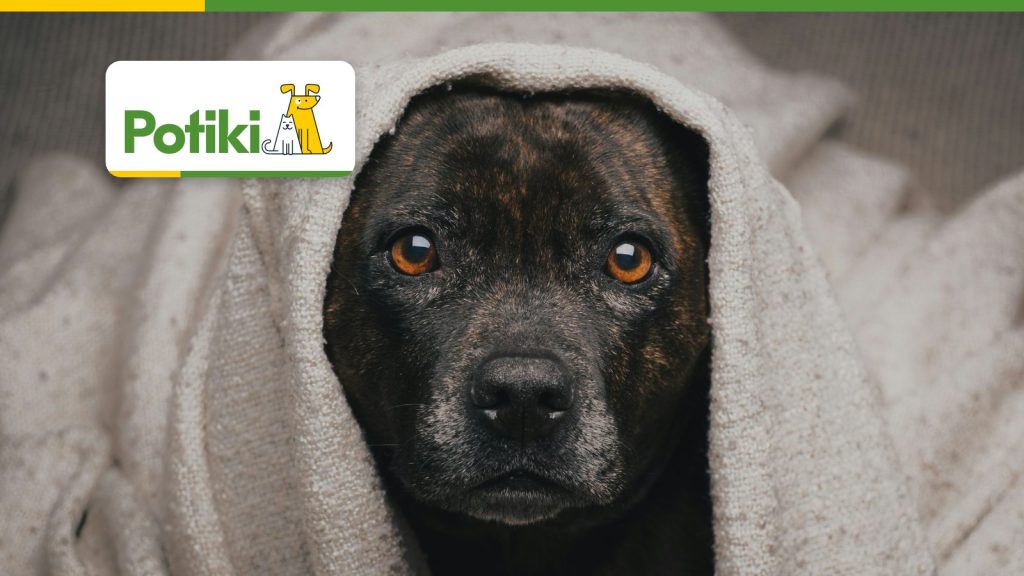
Fireworks Anxiety in Dogs: 10 Ways to Keep Your Dog Calm and Safe
To manage fireworks anxiety in dogs, keep your dog indoors, give them a safe hiding spot, mask the noise and stay home with them. Check their microchip details before the night, and talk to your vet early if your dog is very frightened. The RSPCA says preparing early is the key.
In short: a tired, fed, indoor dog with a safe den and someone at home copes best with fireworks.
Why fireworks frighten dogs
Fireworks anxiety in dogs is common and understandable. RSPCA NSW Chief Veterinarian Liz Arnott says dogs hear 10 times better than humans. Sudden, repeated bangs can leave dogs trembling and traumatised, according to RSPCA WA.
Frightened dogs often try to flee. RSPCA WA warns that dogs can jump over, or dig under, fences that would normally hold them. They can injure themselves, get lost or end up in danger. Dogs left outside alone are most at risk.
Signs of fireworks anxiety in dogs
RSPCA animal behaviour expert Gabrielle Carter lists these warning signs of anxiety:
- Lip licking
- Yawning
- Ears pinned back
- A tucked tail
- Crouching low
Severe fear can look like trembling, hiding, or frantic attempts to escape.
Before the fireworks: 4 ways to prepare
- Check your dog’s ID. Make sure your dog is microchipped, your contact details on the register are current, and their collar ID tag is up to date.
- Find out when and where displays are. RSPCA WA suggests checking whether you live near a planned fireworks site, so you know what to expect.
- Talk to your vet early. If your dog has ongoing trouble with loud noises such as fireworks and storms, ask your vet about treatment options well before the night. The RSPCA notes that dog-appeasing pheromones may help reduce the intensity of fear.
- Exercise, then feed. Take your dog for a long walk, then feed them a meal about 2 hours later. RSPCA WA says a tired, well-fed dog may be less anxious. Walk in the cooler evening to avoid hot pavements.
During the fireworks: 6 ways to help your dog
- Keep your dog indoors. Never leave them outside alone during fireworks.
- Create a safe den. Offer a dim, enclosed hiding spot your dog can choose, such as a cardboard box with blankets, a walk-in robe or under a bed. Add water and a favourite toy.
- Mask the noise. Close the curtains and blinds, keep the lights on, and play music or the TV.
- Stay home. Stay with your dog, or arrange for someone they know to be there until the fireworks finish.
- Stay calm and reward calm. Offer games, treats or toys, but don’t force them if your dog wants to hide. Reward calm behaviour, avoid fussing excessively, and never punish a frightened dog.
- Remove hazards. RSPCA NSW suggests clearing away objects that a panicking dog could injure itself on.
What not to do
Avoid these mistakes if you’re managing fireworks anxiety in dogs:
- Don’t take your dog to a fireworks display.
- Don’t leave your dog outside alone.
- Don’t tether your dog or use a choke chain during fireworks. The RSPCA warns against both.
- Don’t punish fearful behaviour.
If your dog goes missing
Search your neighbourhood straight away and contact your local council. RSPCA NSW notes that a lost pet may be taken to its local animal care facility. A microchip with current details is the fastest way to get your dog home.
Cats and other pets
Fireworks affect other pets too. The RSPCA advises keeping cats indoors with comfortable places to hide, and making sure they’re microchipped. Bring rabbits, guinea pigs and other small pets inside in their hutch or enclosure.
Christmas and New Year bring other stresses for pets, from visitors to rich food. See our guides to handling anxious pets and Christmas foods toxic to pets.
FAQ
How can I calm my dog during fireworks?
Keep your dog indoors with a safe hiding spot, close the curtains, play music or the TV, and stay home with them. Reward calm behaviour and never punish fear.
Should I comfort my dog during fireworks?
Yes, calmly. The RSPCA suggests offering games, treats or toys and rewarding calm behaviour, while avoiding fussing over your dog excessively.
Can my vet help with fireworks anxiety in dogs?
Yes. If your dog has ongoing trouble with loud noises, ask your vet about treatment options well before New Year’s Eve. Dog-appeasing pheromones may also help.
Why do dogs run away during fireworks?
Frightened dogs try to flee the noise. RSPCA WA warns they can jump or dig under fences that normally hold them, so keep your dog indoors.
What should I do if my dog goes missing after fireworks?
Search your area and contact your local council, as lost pets are often taken to local animal care facilities. Keep your microchip details current.
Be ready for the unexpected
A frightened dog can escape or injure itself. Find out how dog insurance could help with unexpected vet bills.
Sources
- RSPCA Knowledgebase: How should I care for my pets during fireworks displays?
- RSPCA WA: Things that go bang in the night
- RSPCA NSW: Give your pets a happy New Year
- SBS News: What not to feed your pets during the festive period (RSPCA anxiety signs)
This article is general information only and isn’t a substitute for advice from your vet. If you’re worried about your dog, contact your vet.