
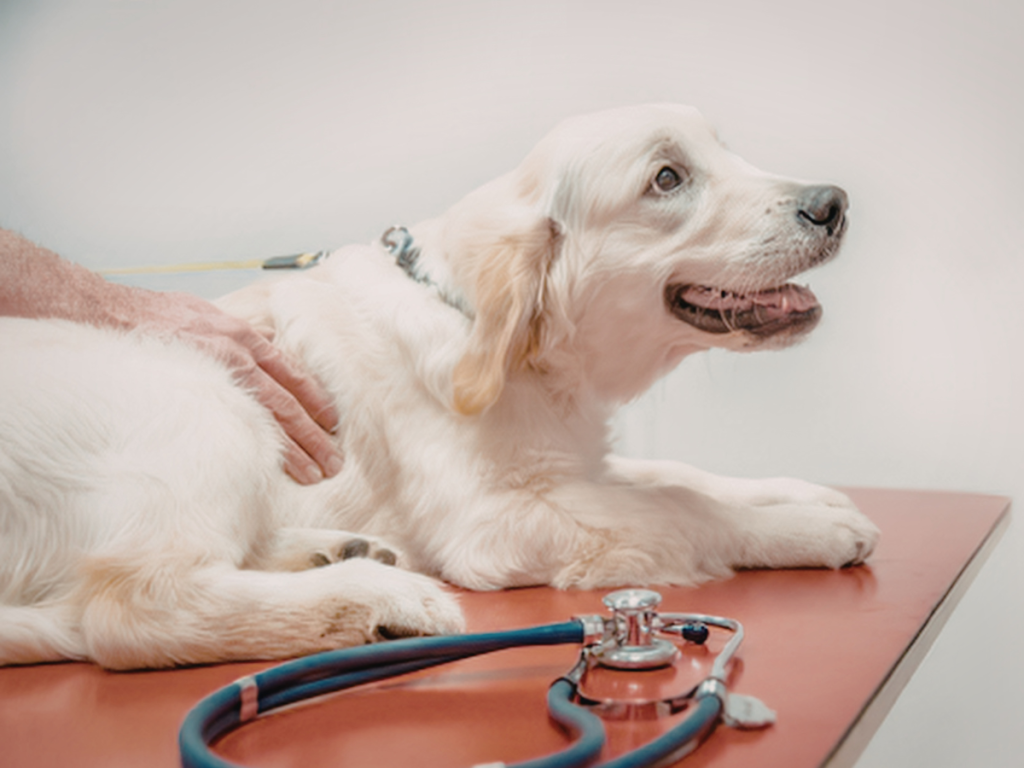
A lasting outcome of the COVID-19 pandemic is the shift of many services, including telehealth for humans and pets, to online platforms.
But what is telehealth? Telehealth refers to a medical appointment (diagnosis, treatment, or consultation) conducted remotely via phone, video, or an online chat service.
How do you know if telehealth or online/mobile vet consultations are the right option for your pet? Continue reading to find out!
Why Are Telehealth Services Becoming More Popular?
Telehealth and mobile vet services are becoming more prevalent due to the following factors:
- Shortage of vets: Australia is unfortunately going through a nationwide shortage of veterinarians, making it more difficult to get face-to-face appointments, especially if it isn’t a medical emergency.
- Higher cost-of-living: As we know all too well, the cost of living in Australia has skyrocketed, and extra expenses, such as unexpected veterinary or medical bills, can really impact your finances. Telehealth vet services are generally much more affordable than in-person vet visits.
- Most Australian households have pets: As of 2025, around 73% of Australian households have pets, placing a significant strain on veterinary services, which are already facing shortages across Australia. Telehealth services allow more pets to be inspected by veterinary professionals than ever before.
- Distance from the veterinary clinic: Some pet owners live a fair distance away from the closest veterinary clinic, making it incredibly stressful whenever your pet is unwell. Although face-to-face appointments are still best in medical emergencies, telehealth vet services are better than nothing and can still provide you with valuable health advice to save your beloved pet’s life.
- Provides relief to veterinarians: Veterinarians are often overworked and stressed. Telehealth services allow them to work remotely, have shorter shifts and select when they want to work. They have a healthier work-life balance.
- Quick access to a vet: Telehealth vet services allow anxious pet parents to easily reach a vet and get reassurance in a timely manner.
- Reduces stress levels: Most animals become anxious and stressed when it comes time for vet visits. Online consultations for minor matters or routine checkups allow pets to stay in the comfort of their own home, while their owners can still have access to a vet.
- More Affordable: Telehealth vet services are generally more affordable than in-clinic visits.
- Convenient: There is no need to travel or go through the trouble of loading up your cat or dog in the car to drive to the vet’s. Mobile vet services allow you to access professional advice from wherever you are.
- Vet access for rural communities: Pet owners in rural areas may lack easy access to veterinary services and clinics, often having to drive hours just to get their furry family member seen by a vet.
- Keeps vet clinics available for more serious cases: Using telehealth services for non-serious enquiries or medical check-ups frees up appointments for more serious cases.
When Are Telehealth Services Right for Your Pet?
Telehealth services are the right and safe option for your pet in the following circumstances:
General Health Advice
If your pet requires any non-urgent or non-emergency general health advice, including parasite prevention tips, diet advice, or general enquiries.
‘Wait and Watch’ Situations
If you think something is not quite right with your pet but it doesn’t seem too serious, it is a ‘wait and watch’ situation. They may improve on their own or become more serious without medical attention. In the meantime, checking in with a vet through telehealth may give you peace of mind while you wait.
Routine Check-Ups
Chronic conditions under control, like arthritis or diabetes, can be monitored through mobile check-ups.
Behavioural Check-Ups
If vets need to observe your pet’s behaviour, doing it while they are in their natural environment and relaxed can be more effective than in a vet’s clinic, where they might be more anxious or stressed.
When Pets Should NOT Use Telehealth Services
It’s important to know that telehealth vet services aren’t the right option in every situation. While it is ideal to get advice quickly, in serious situations, you will need to take your pet to a vet clinic for medical treatment.
We don’t recommend using (only) telehealth services in the following situations:
Medical Emergencies
If your pet is experiencing a medical emergency, take them to the vet as soon as possible. Fast medical attention can save their lives.
Medical emergencies that need prompt veterinary attention include:
Breathing difficulties
- Bleeding that won’t stop
- Seizures
- Vomiting that won’t stop
- Paralysis
- If your pet collapses
- If your pets eat something that is toxic to them
Tick, Spider or Snake Bites
If you suspect your pet has been bitten by a tick, spider or a snake, they will likely need a physical examination, which is best done in person.
Diagnostic Testing
Pets that require blood tests, x-rays, or ultrasounds will need to visit the vet clinic to have the tests carried out.
Physical Examinations
If you find a lump or rash on your pet or notice that their limbs are swollen, take them to the veterinary clinic for a physical examination.
New Pets
It’s a good idea to take your new pet to the vet for a general check-up, even if there are no signs of illness. This allows the vet to establish a baseline health record, which will be helpful for future vet visits.
Worsening Symptoms
If you have already had a telehealth appointment for your pet but notice their symptoms worsening, it’s time to take them to the vet.
Prescriptions
If your pet needs a prescription, you will need to take them to the vet clinic, as vets cannot prescribe medication through mobile pet services.
Pet Telehealth Services VS. Vet Clinics
| Feature | Pet Telehealth Services | Vet Clinic |
| Cost | More affordable ($25-$70 per video or phone consultation) | $80-$150 for a consultation (extra costs for surgical procedures, diagnostic testing and prescription medications) |
| Accessibility | Immediate, 25/7 access | Appointment required during business hours |
| Physical Examination | No. Only a visual assessment can be done | A thorough physical examination can be carried out |
| Diagnostic Testing | Not possible | Blood tests, X-rays and ultrasound facilities available |
| Prescriptions | Prescriptions can’t be given during telehealth services | Yes, prescriptions can be given |
| Treatment | Advice only, no physical treatment | Surgical procedures, vaccinations, wound care, etc are all carried out in veterinary clinics |
| Emergency Care | Not recommended for emergency medical situations | Full emergency and critical care |
| Wait Times | Not long (usually connected within a few minutes) | Can wait hours or days for an appointment, plus extra time spent in the waiting room |
| Travel | No travel required (from the comfort of your own home) | Need to travel to get your pet to the vet clinic |
| Pet Stress and Anxiety | Little to no stress or anxiety for your pet | Pets feel anxious and stressed during the car ride, and once they’re in the vet clinic |
| Best For | Non-serious medical issues, behavioural concerns, triage, general advice | Serious medical issues, injury, tick, spider or snake bites, prescriptions, surgical procedures and medical emergencies |
At Potiki, we understand how precious your pets are. We also know that the unexpected can happen at any time, resulting in extremely high vet fees. These unforeseen circumstances are why it is best to be prepared with pet insurance. Potiki offer our customers flexible covers with excess and extras to give you and your family peace of mind. Visit our website to obtain a quick quote and explore our various coverage options.
FAQ
No, unfortunately, vets cannot prescribe medications through telehealth services. They can recommend over-the-counter pet medications, but for prescriptions, you will need to visit a vet clinic.
Here are some things you can do to prepare for a telehealth appointment:
- Have relevant notes on hand (symptoms you notice, questions to ask)
- Have your pet’s medical history and weight ready
- Try your best to have your pet close by in case the vet asks to see them
- Ensure that the lighting is good and your microphone is working (if the appointment is a video call)
The limitations of telehealth services include:
- No diagnostic testing
- No physical examinations
- No prescribed medication
- It may be more difficult to make a diagnosis
- Booking the appointment: Book a phone or video call via the relevant platform or through your vet clinic
- Waiting: Wait in a virtual waiting room
- Consultation: Discuss your pet’s medical history and their symptoms/any concerns you have
- Vet advice: The vet will offer advice and may or may not recommend an in-person visit to the vet’s.
Yes, most pet insurance policies cover telehealth appointments. In fact, some pet insurance companies offer online access to licensed vets as part of their services.