
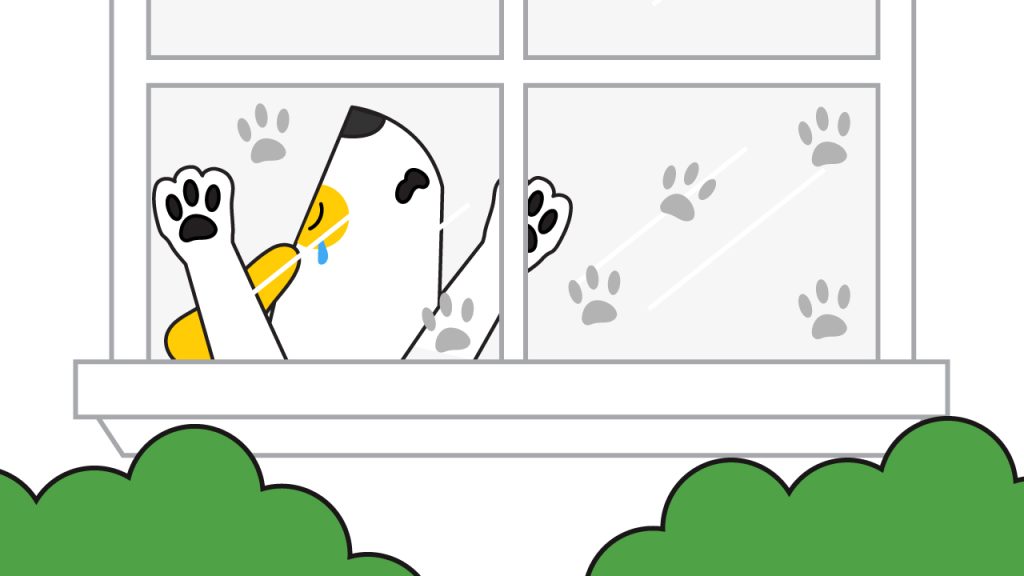
Indoor enrichment for dogs in winter: beating boredom when it’s too cold to go out
Australian winters are milder than most, but persistent cold fronts, heavy rain and short daylight hours across southern states can still cut daily walks down to almost nothing — and a bored dog rarely stays quiet about it. According to the Australian Veterinary Association (AVA), mental stimulation is as important to canine welfare as physical exercise, and its absence can contribute to destructive behaviours, excessive barking, and anxiety (AVA, Animal Welfare Position Statements, accessed August 2026). The good news: you don’t need much space, and most of the best enrichment activities cost next to nothing.
Why winter boredom is a real welfare issue for Australian dogs
Dogs are cognitively complex animals. A 2022 review published in Applied Animal Behaviour Science found that environmental monotony — not just lack of physical movement — is a primary driver of stress-related behaviours in domestic dogs (Alberghina et al., Applied Animal Behaviour Science, 2022). Missing a walk is far less of a problem if your dog’s brain has been working hard indoors. The signs of under-stimulation are worth knowing:
- Destructive chewing or digging at furniture
- Attention-seeking vocalisation (persistent barking or whining)
- Restlessness, pacing or inability to settle
- Over-grooming or repetitive behaviours
If your dog’s anxiety spills beyond boredom into genuine distress — especially around storms or separation — our guide on how to handle anxious pets covers behavioural strategies in more depth.
Sniff it out: scent games and nose work
A dog’s nose processes scent at an estimated 10,000–100,000 times the acuity of a human’s (Alexandra Horowitz, Being a Dog, 2016; widely cited by university veterinary behaviour programs). Harnessing that superpower is the single highest-return indoor enrichment activity available to you — and it tires dogs out far faster than physical exercise alone.
Key insight: Fifteen minutes of structured nose work can be as mentally fatiguing for a dog as a 30-minute walk. It is especially valuable for senior dogs, post-operative dogs, or those on restricted movement.
Try these scent-based activities at home:
- Muffin-tin puzzle — place treats in a muffin tray, cover each hole with a tennis ball; your dog sniffs out the reward
- Scatter feeding — spread dry kibble across a snuffle mat or a patch of grass indoors so your dog forages rather than gulps
- Hide-and-seek with treats — hide small pieces of food in different rooms; start easy and increase complexity as your dog improves
- Introduction to nose-work boxes — line up cardboard boxes, hide a scented item or treat in one; reward your dog for indicating the correct box
Brain food: puzzle feeders and training sessions
Commercially available puzzle feeders (sliding tiles, spinners, treat-dispensing balls) give dogs a problem to solve at mealtimes rather than a free bowl. A 2019 study in PLOS ONE found that dogs offered food puzzles showed lower stress indicators and increased positive anticipatory behaviour compared to standard bowl feeding (Gunter et al., PLOS ONE, 2019). Rotate puzzles regularly — dogs habituate quickly once they crack the solution.
Short, focused training sessions are equally powerful. Five-minute bursts of positive reinforcement across three or four sessions a day build impulse control, strengthen your bond, and provide genuine cognitive work. Skills worth practising indoors include:
- Foundation obedience (sit, down, stay, come) refreshed with variable reward schedules
- Trick training (spin, paw, roll over) — low physical demand, high mental engagement
- “Go to your mat” or “settle” cues — directly useful for managing overexcitement
For dogs with a history of chewing or resource guarding, this is also a good time to revisit structured feeding protocols with your vet or a certified applied animal behaviourist. Understanding your dog’s breed-specific traits can help you pitch the difficulty level right — see choosing the right dog breed for you and your family for a primer on working, herding and high-drive breeds that typically need more cognitive challenge.
Quick-reference: rainy day activity ideas by energy level
| Activity | Energy level | Time needed | Cost |
|---|---|---|---|
| Snuffle mat scatter feeding | Low | 5–10 min | Low (mat ~$20–$40) |
| Muffin-tin puzzle | Low–Medium | 10 min | Nil (household items) |
| Nose-work box search | Medium | 15–20 min | Nil |
| Puzzle feeder at mealtime | Medium | 15–30 min | Low–Medium (feeder $20–$60) |
| Indoor trick training session | Medium | 5 min × 3–4 | Nil |
| Tug or flirt pole (hallway) | High | 10–15 min | Low ($10–$25) |
| Staircase fetch (if safe) | High | 10 min | Nil |
Cost estimates are indicative based on typical Australian retail pricing (August 2026); individual prices vary by retailer.
When indoor enrichment flags a bigger concern
Most winter boredom resolves quickly once you introduce structured enrichment — but some dogs display behaviours that go beyond cabin fever. Compulsive repetitive movements, sudden aggression, or a marked personality change during the colder months can occasionally point to underlying health issues rather than simple boredom. Our article on mental stimulation for your dogs and cats explores the broader welfare picture, and canine cognitive dysfunction is worth reading if your older dog seems unusually confused or disoriented indoors.
Bottom line: This article is general information only and is not a substitute for professional veterinary advice. If your dog’s behaviour changes significantly, consult your vet.
Ready to give your fur baby a little extra protection as well as extra enrichment? Explore Potiki’s cover options and get a quick quote today.
FAQ
How much indoor enrichment does a dog need on a rainy or cold day?
There is no single fixed amount — it depends on breed, age and individual temperament. As a general guide, two to four short enrichment sessions (5–15 minutes each) spread across the day can help replace the mental stimulation a dog would normally get from a walk. High-energy working or herding breeds will typically need more variety and duration than a lower-drive companion breed. Speak to your vet or a certified animal behaviourist if your dog remains restless despite regular enrichment.
Are puzzle feeders safe for all dogs?
Most commercially available puzzle feeders are suitable for healthy adult dogs when used as directed and under supervision. However, dogs who guard food resources, swallow objects, or have dental issues may need a different approach. Introduce any new feeder gradually, supervise the first few sessions, and consult your vet if your dog shows frustration-based aggression or attempts to destroy the toy.
Can nose work replace a dog’s daily walk?
Nose work is a highly effective supplement to physical exercise — not a permanent replacement. Research suggests structured scent work can be as mentally fatiguing as moderate physical activity, making it ideal for cold or wet days when outdoor exercise is cut short. Most dogs still benefit from some physical movement daily; where a full walk is genuinely impossible, combine scent games, training sessions and play to cover as many of a dog’s behavioural needs as possible.
What are the signs that my dog is bored indoors during winter?
Common signs include destructive chewing or digging, persistent barking or whining, pacing and inability to settle, and over-grooming or repetitive behaviours. These can also be signs of anxiety or an underlying health issue, so if symptoms are severe or new, a vet check is recommended rather than assuming boredom alone.
Which dog breeds need the most indoor enrichment in winter?
Working, herding and sporting breeds — such as Border Collies, Kelpies, Labradors, Vizslas and Huskies — typically have the highest cognitive and physical drive and will feel the impact of reduced outdoor time most acutely. That said, any dog can become bored or frustrated without adequate stimulation, regardless of breed. Knowing your dog’s breed background helps you calibrate the challenge level of enrichment activities appropriately.