
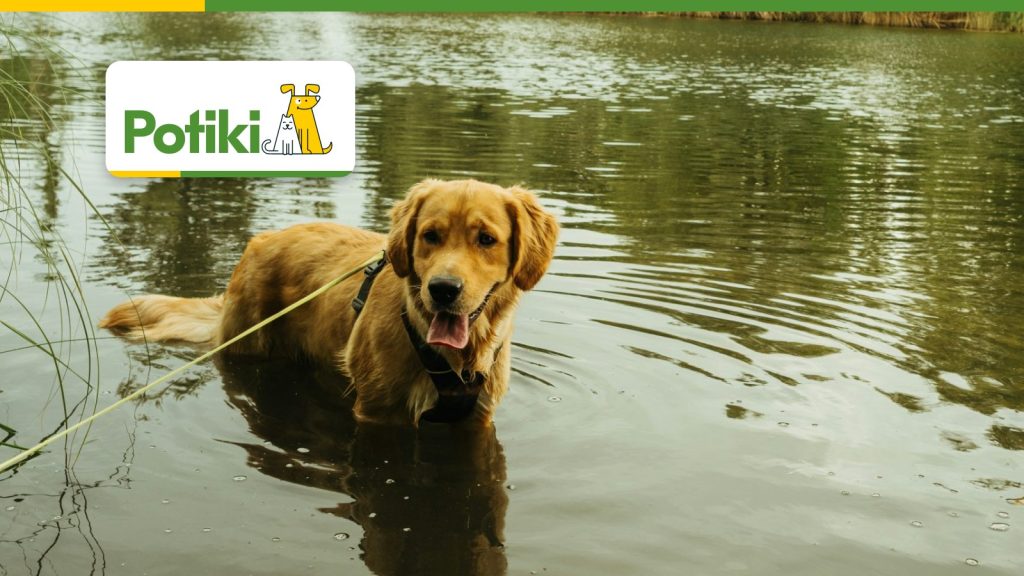
Heatstroke in dogs is an emergency. If your dog is panting heavily, drooling, staggering or collapsing on a hot day, start cooling them with room-temperature water and call your vet or nearest emergency vet straight away. Heatstroke can lead to organ failure, and damage can show up hours later, so your dog needs a vet check even if they seem to recover.
This guide covers the 10 warning signs, 5 first aid steps, the dogs most at risk and how to prevent heatstroke this summer.
What is heatstroke in dogs?
Heatstroke in dogs happens when a dog’s body temperature rises faster than they can cool down. Dogs cool off mainly by panting and through the pads of their feet. They can’t sweat through their skin like people, so they struggle in hot and humid weather.
A dog’s normal temperature is between 38.3°C and 39.2°C. Above 41°C, a dog is at risk of heatstroke, according to the Animal Referral & Emergency Network. RSPCA Tasmania notes that only about half of dogs with heatstroke survive, which is why fast action matters.
Heat stress vs heatstroke
Heat stress is the early stage. Your dog is hot, panting hard and looking for shade or water. If they can cool down, they usually recover quickly.
Heatstroke is what happens when cooling fails and body temperature keeps rising. At this stage, organs start to be affected. If your dog shows any of the signs below, treat it as heatstroke and get help.
10 signs of heatstroke in dogs
RSPCA Australia and the Australian Veterinary Association list these signs:
- Heavy panting that gets worse
- Drooling
- Restlessness or agitation
- Very red or pale gums, or a bright red tongue
- A fast heart rate or trouble breathing
- Vomiting or diarrhoea, sometimes with blood
- Confusion, dizziness or staggering
- Weakness or lethargy
- Muscle tremors or seizures
- Collapse
If you notice any of these signs on a warm day, act straight away.
5 first aid steps for heatstroke in dogs
- Move your dog somewhere cool. Get them into shade or an air-conditioned room.
- Cool them with room-temperature or tepid water. Wet their fur and skin, especially the head, neck, belly, inner thighs and paw pads. Don’t use ice or ice-cold water, which can make things worse.
- Keep the water moving. If you use a wet towel, sponge it on and re-soak it often. A towel left lying on your dog can trap heat.
- Add airflow. Point a fan at your dog’s wet fur to speed up cooling.
- Call your vet on the way. Take your dog to your vet or nearest emergency vet as soon as possible, even if they seem to improve. Organ damage can appear later.
If your dog doesn’t improve after a few minutes of cooling, don’t wait. Go to your vet or emergency vet straight away.
What to tell your vet
When you call ahead, give the vet team:
- What your dog was doing and where, for example walking at midday or left in a car
- How long your dog was in the heat
- The signs you noticed and when they started
- What first aid you have already given
This helps the team prepare before you arrive.
Which dogs are most at risk of heatstroke?
Any dog can get heatstroke, but some dogs are at higher risk:
- Flat-faced breeds, such as French Bulldogs, Pugs and Bulldogs. RSPCA Australia reports that flat-faced (brachycephalic) dogs are 146% more likely to suffer heatstroke than other breeds.
- Senior dogs, especially those with breathing or mobility problems.
- Puppies.
- Overweight dogs.
- Dogs with thick or long coats.
- Dogs with heart or breathing conditions.
- Large, active dogs that keep running or playing in the heat.
Never leave your dog in the car
A parked car heats up fast. RSPCA Tasmania warns that on a 22°C day, the inside of a car can reach 47°C within an hour, and an animal can die in a hot car in less than six minutes. Parking in the shade, tinted windows and leaving the windows down don’t make a real difference.
If you see a dog in distress in a hot car, call the RSPCA in your state or the police.
How to prevent heatstroke in dogs this summer
- Walk at sunrise or sunset. Skip exercise in the hottest part of the day.
- Check the ground first. Before a walk, press the back of your hand on the footpath. If it’s too hot for your hand, it’s too hot for your dog’s paws. Avoid asphalt, concrete and sand in the heat.
- Give plenty of water in the shade. Put out extra bowls in case one gets knocked over.
- Offer shade all day. Shade moves as the sun moves, so check your dog has cover in the afternoon too.
- Bring your dog inside if the house is cooler, ideally with a fan or air conditioning.
- Ask your groomer about a summer trim for long-coated dogs.
Hot day checklist
On days over 30°C, run through this list before you leave home:
- Water bowls full and in the shade
- Shade available all day, not just in the morning
- Walk done early, or swapped for indoor play
- No car trips where your dog would wait inside
- Your vet’s number and the nearest emergency vet saved in your phone
For more summer safety tips, read how to keep snakes away from dogs and grass seeds in dogs.
Recovery after heatstroke
Your vet will tell you how to care for your dog at home. Heatstroke can affect organs such as the kidneys, so your vet may recommend follow-up checks. Keep your dog cool and rested, and call your vet if any signs return.
FAQ
How quickly can a dog get heatstroke?
Quickly. A dog left in a hot car can die in less than six minutes, according to RSPCA Tasmania. Hard exercise on a hot, humid day can also bring on heatstroke in dogs within minutes.
Can I put ice on my dog to cool them down?
No. Use room-temperature or tepid water instead. Ice and ice-cold water can make heatstroke worse.
Should I still see a vet if my dog seems better?
Yes. Heatstroke can damage organs, and the damage can appear hours later. Always have your dog checked by a vet.
What temperature is too hot to walk a dog?
There’s no single cut-off, because humidity, breed and fitness all matter. As a rule, walk early in the morning or late in the evening on hot days, and check the ground with your hand before you go.
Which dog breeds are most at risk of heatstroke?
Flat-faced breeds such as French Bulldogs, Pugs and Bulldogs are most at risk. RSPCA Australia reports they are 146% more likely to suffer heatstroke than other breeds. Senior, overweight and long-coated dogs are also at higher risk.
Be ready for the unexpected
Heatstroke and other emergencies can lead to unexpected vet bills. Find out how dog insurance could help.
Sources
- RSPCA Australia: Warm weather worries, protect pets from heatstroke
- Australian Veterinary Association: Protect pets from heat-related illness
- RSPCA Queensland: Heatstroke and staying cool
- RSPCA Tasmania: Dogs can die in just six minutes
- Animal Referral & Emergency Network: First aid for a pet with heat stroke
This article is general information only and isn’t a substitute for advice from your vet. If you think your dog has heatstroke, contact your vet or nearest emergency vet straight away.