
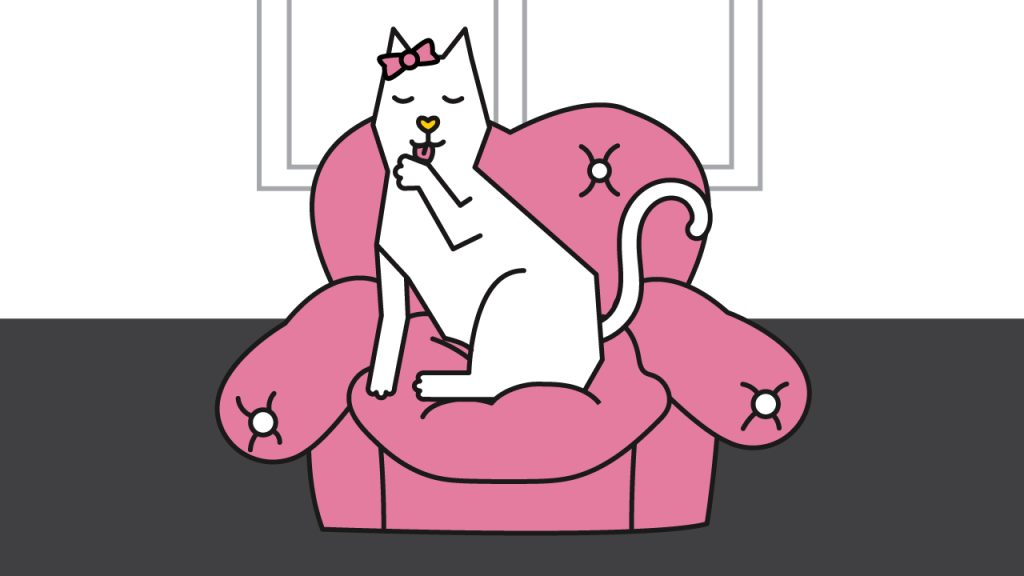
Winter cat nutrition: why indoor cats pile on weight when it gets cold
Why winter triggers weight gain in indoor cats
When the temperature drops across Australia — even in milder cities like Sydney and Brisbane — indoor cats instinctively seek warm spots and dramatically reduce how much they move around. According to the Australian Veterinary Association (AVA), reduced physical activity combined with unchanged food portions is one of the most common contributors to weight creep in domestic cats.¹ Unlike outdoor cats, indoor cats don’t burn extra energy hunting, roaming, or thermoregulating against the cold — yet their appetite signals can actually increase as days shorten and natural light fades.
Key insight: The problem isn’t winter itself — it’s the mismatch between a cat’s instinctive drive to eat more and the reality that an indoor cat burns far fewer calories than their wild counterparts.
How to spot the signs your cat is carrying extra weight
Vets use a Body Condition Score (BCS) — a 1–9 scale — to assess whether a cat is at a healthy weight, underweight, or overweight. The RSPCA Australia recommends owners do a quick at-home check monthly.² At a healthy weight (BCS 4–5/9), you should be able to:
- Feel your cat’s ribs with light pressure but not see them
- Notice a visible waist when viewed from above
- See a slight abdominal tuck when viewed from the side
If ribs are hard to feel under a thick fat layer, or the belly appears rounded or pendulous, your cat may already be above their ideal weight. Early detection matters: the RSPCA notes that overweight cats face elevated risks of diabetes mellitus, arthritis, and urinary tract disease — conditions that become significantly more expensive to manage over time.² If you notice rapid or unexpected changes in weight or appetite, a thyroid check may also be worthwhile — hyperthyroidism in cats can cause surprisingly dramatic weight shifts in either direction.
Adjusting your indoor cat’s feeding routine in winter
The short answer on how much to feed a cat in winter in Australia is: probably a little less than the packet says, and definitely not more. Most commercial pet food feeding guides are calculated for an average active cat — not a cat logging 20 hours of sleep per day on the couch. The Pet Food Industry Association of Australia recommends following packet guidelines as a starting point, then adjusting based on your vet’s BCS assessment and your cat’s actual energy output.³
| Feeding adjustment | Why it helps |
|---|---|
| Measure portions with a kitchen scale | Prevents the slow calorie creep of “eyeballed” cups |
| Split daily food into 2–3 smaller meals | Supports metabolism and reduces boredom eating |
| Swap some dry food for wet food | Higher moisture content increases satiety per calorie |
| Limit treats to <10% of daily calorie intake | Treats are a hidden source of winter calorie surplus |
Always transition any dietary change gradually over 7–10 days to avoid digestive upset, and consult your vet before significantly reducing portion sizes — especially for cats with existing health conditions. For a broader guide to safe and unsafe foods for your cat, see our article on the best and worst foods for dogs and cats.
Bottom line: A kitchen scale and a vet-confirmed target weight are the two most practical tools for managing your indoor cat’s winter nutrition. Guesswork with portion sizes is the single biggest driver of gradual weight gain.
Keeping your cat moving when it’s cold outside
Adjusting food is only half the equation — the other half is counteracting the activity slump that winter brings. Indoor enrichment doesn’t need to be expensive or elaborate; consistency matters more than novelty. Research from the University of Edinburgh’s Royal (Dick) School of Veterinary Studies highlights that environmental enrichment directly supports healthy weight maintenance and reduces stress-related behaviours in domestic cats.⁴ Practical ideas include:
- Puzzle feeders or food-dispensing toys that make cats work for meals
- Scheduled daily play sessions of at least 10–15 minutes with a wand or laser pointer
- Rotating toys every few days to maintain novelty
- Vertical space (cat trees, shelves) that encourages climbing and jumping
For deeper ideas on keeping your cat mentally sharp and physically active indoors, mental stimulation for your dogs and cats has a practical breakdown worth bookmarking. If your cat’s behaviour changes significantly in winter — increased anxiety, hiding, or aggression — it’s worth reading our guide on how to handle anxious pets and booking a vet check to rule out underlying health issues.
This article is general information only and is not a substitute for professional veterinary advice. If you’re concerned about your cat’s weight or health, please consult a registered veterinarian.
Sources:
- Australian Veterinary Association (AVA), Cat care and health, ava.com.au, accessed August 2026.
- RSPCA Australia, Obesity in cats, rspca.org.au, accessed August 2026.
- Pet Food Industry Association of Australia (PFIAA), Feeding guidelines for cats, pfiaa.com.au, accessed August 2026.
- The University of Edinburgh Royal (Dick) School of Veterinary Studies, Environmental enrichment for cats, ed.ac.uk, accessed August 2026.
Thinking about protecting your cat’s health year-round? Explore Potiki’s cover options and get a quick quote today.
FAQ
Do indoor cats actually need more food in winter in Australia?
Not usually. Unlike outdoor cats that burn energy thermoregulating, most indoor cats are less active in winter and may need slightly less food — not more. The best approach is to ask your vet for a target weight and measure portions accordingly rather than following packet guidelines alone.
How can I tell if my cat is overweight?
Vets use a Body Condition Score (BCS) on a 1–9 scale. At a healthy weight, you should be able to feel your cat’s ribs with light pressure (but not see them), see a visible waist from above, and notice a slight abdominal tuck from the side. If you’re unsure, your vet can assess this at a routine check-up.
What are the health risks of cat weight gain in winter?
The RSPCA Australia notes that overweight cats face elevated risks of diabetes mellitus, arthritis, and urinary tract disease. Catching weight gain early — before it becomes obesity — significantly reduces these risks and associated vet costs.
How do I encourage my indoor cat to be more active in winter?
Consistent daily play (10–15 minutes with a wand toy or laser pointer), puzzle feeders, rotating toys for novelty, and vertical climbing spaces like cat trees all help. The key is regularity — short daily sessions are more effective than occasional long ones.
Could my cat’s winter weight gain be a sign of a health problem?
In most cases it’s a straightforward result of reduced activity and unchanged food intake. However, some conditions — such as hypothyroidism — can contribute to weight gain, while hyperthyroidism can cause unexpected weight loss. If your cat’s weight changes rapidly or you notice other symptoms, consult your vet.